
by Editorial Team · 2026-09-20
Baldur's Gate 3 arrived with the weight of Larian Studios' reputation and the Forgotten Realms' decades-long legacy behind it, and somehow still managed to exceed expectations. It is a turn-based role-playing game built on Dungeons & Dragons 5th Edition rules, but it plays less like an adaptation and more like a love letter to the tabletop experience, translating dice rolls, spell slots, and improvised problem-solving into a digital world that reacts to nearly everything the player attempts.
What sets it apart from most modern RPGs is scale paired with density. This is not a game padded with empty map markers; every region, cellar, and side conversation tends to hide a quest thread, a moral dilemma, or a character worth remembering. Players routinely report losing dozens of hours to a single act without feeling like they have exhausted its content.
Story and Characters
The central plot, involving a parasitic mind flayer tadpole and a cast of afflicted companions, is a strong hook, but the real draw is the writing. Each companion, whether an origin character or a recruited ally, has a fully realized arc, personal stakes, and enough branching dialogue to sustain multiple playthroughs without repeating the same beats. Voice acting is consistently excellent, giving even minor NPCs a sense of personality that many bigger-budget games fail to achieve. The freedom to resolve encounters through combat, stealth, deception, or straight-up chaos rather than a single scripted path is where the game earns its reputation for reactivity; approaching the same problem two different ways in two different runs can produce entirely different outcomes.
Pacing
Act One is widely considered the tightest and most focused stretch, introducing the world and its tone with remarkable efficiency. The later acts remain well written and ambitious, though the sheer volume of systems and side content can make the middle portions feel sprawling, and newcomers unfamiliar with 5e terminology may need real time to acclimate before the game clicks.
Combat and Systems
Turn-based combat rewards positioning, environmental use, and careful resource management, and the character creator and multiclassing options allow for an enormous range of viable builds. Players who enjoy theorycrafting will find weeks of experimentation here. The tradeoff is that this is authentically a dice-driven system: attack rolls can and do whiff repeatedly, and players expecting the more forgiving hit rates of action RPGs may find early combat swingy or punishing before they learn to build around accuracy and advantage. Managing a full party's inventory and looting fallen enemies is also more manual than some players would like, though community mods addressing convenience features are simple to install through the built-in mod manager.
Art, Sound, and Technical State
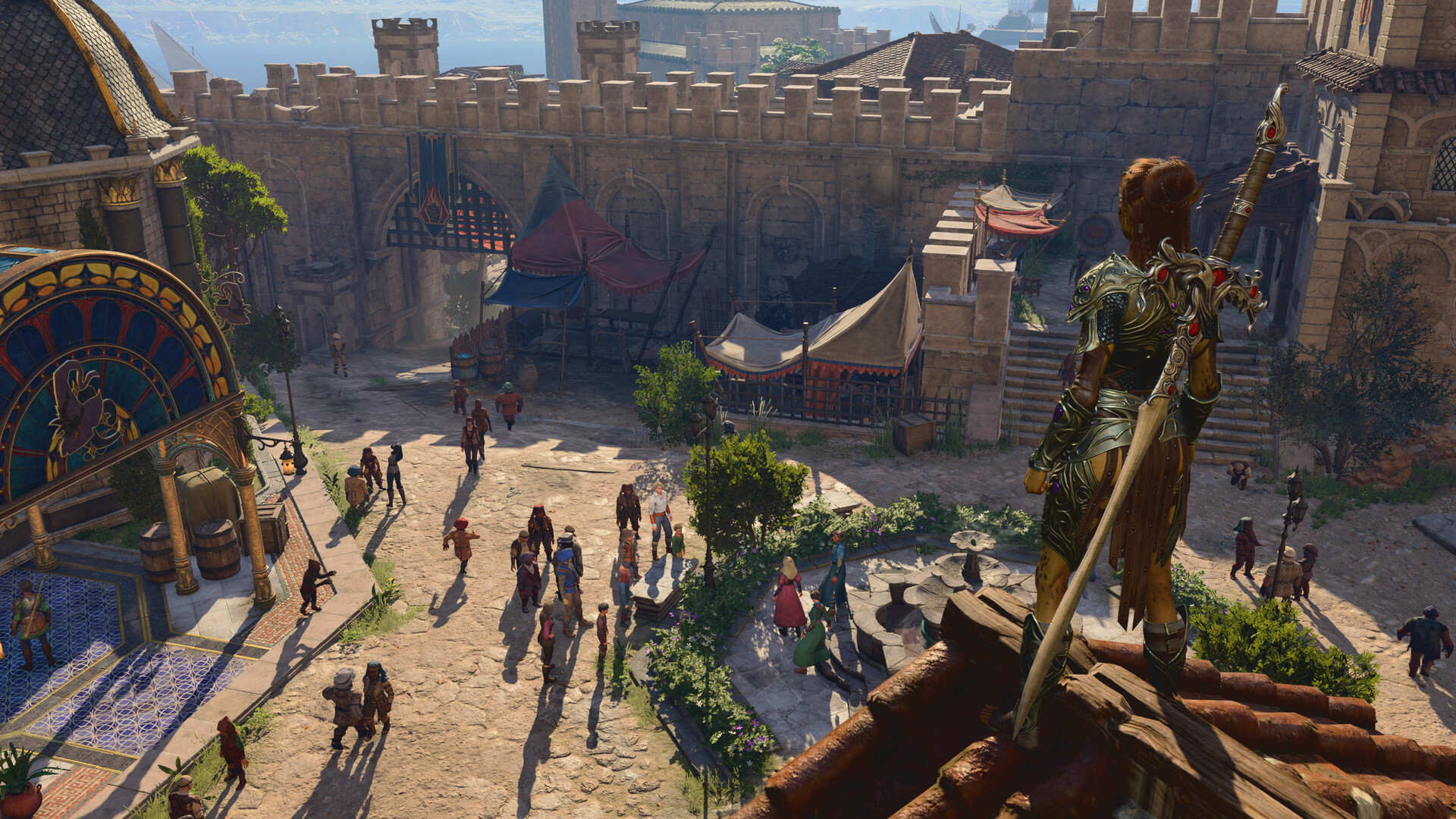
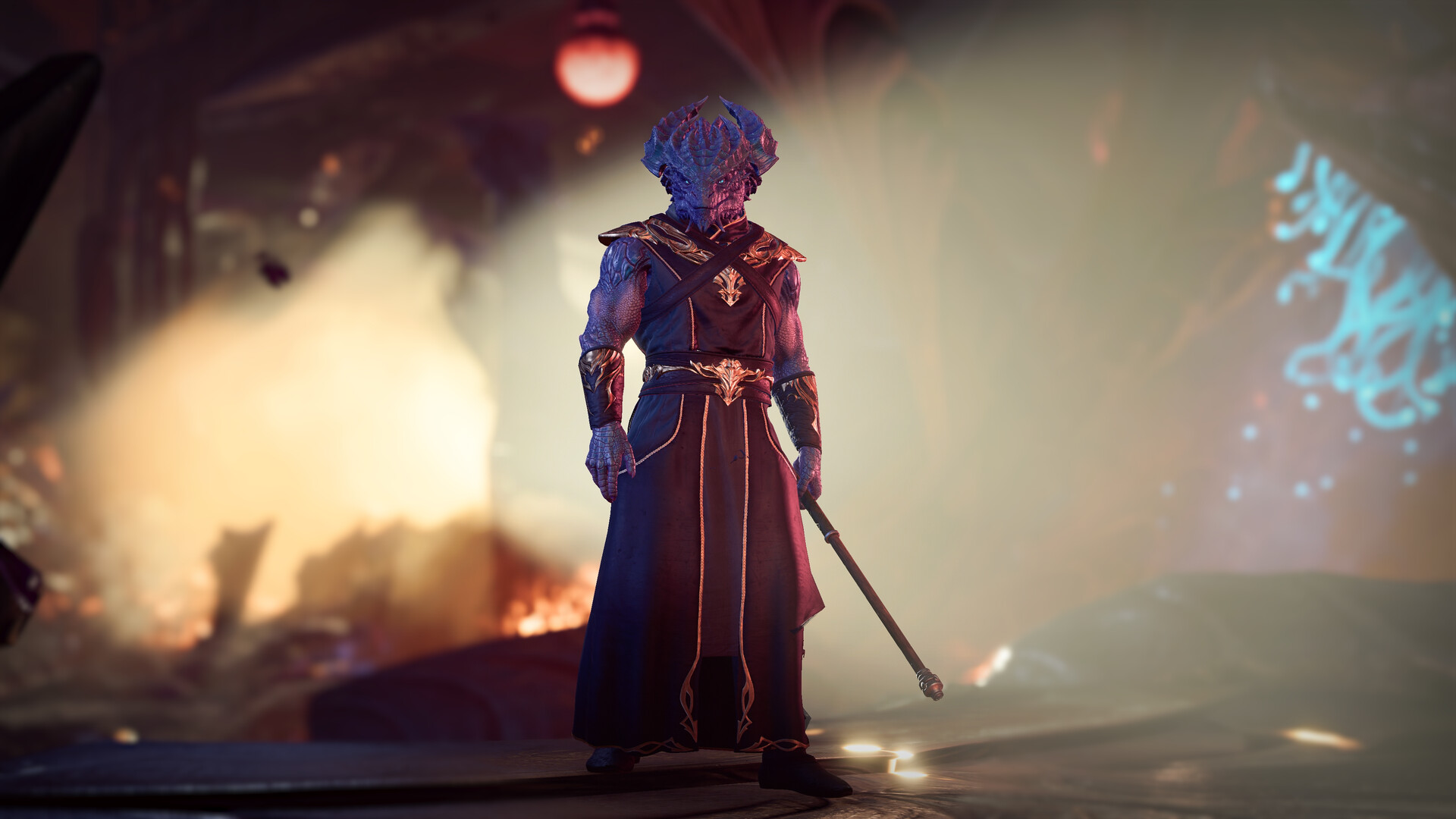
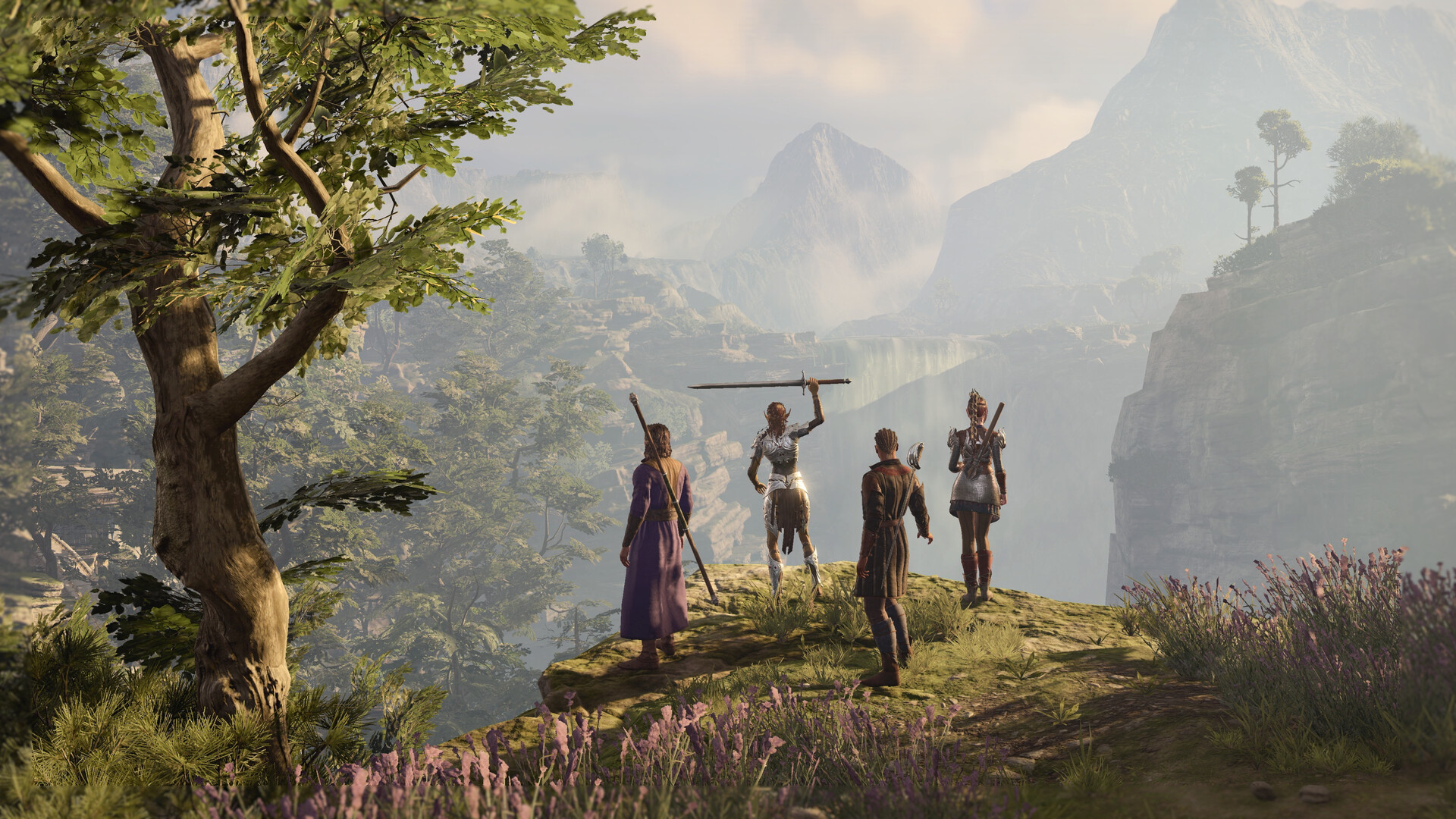
Visually, the game is a showcase for detailed character models, atmospheric lighting, and cinematic dialogue framing, though it does demand a capable PC to run at higher settings. Sound design and the orchestral score support the tone well, even if a handful of players find certain ambient stretches less memorable than the voice work carrying the same scenes. On the technical side, most reports describe a smooth experience with only minor bugs or occasional companion pathing hiccups, especially in busy areas, none of which typically derail the overall experience.
Replayability
Few RPGs offer this much reason to start over. Different origin characters, races, classes, romance options, and moral choices mean a second or third campaign rarely feels like retreading the same ground. Combined with mod support for customization and quality-of-life tweaks, the game's lifespan extends well beyond a single ending.
Pros
- Staggering amount of reactive content and genuine choice-driven storytelling
- Excellent companion writing and voice acting throughout all three acts
- Deep, flexible class and build system with real tactical combat
- Huge replay value across origins, romances, and playstyles
- Gorgeous, detailed art direction and cinematic presentation
- Faithful, satisfying translation of tabletop D&D rules into a CRPG
Cons
- Steep learning curve for players new to D&D 5e systems and terminology
- Combat's dice-based randomness can produce frustrating miss streaks
- Manual looting and inventory management grow tedious over long sessions
- Act One sets a narrative bar the middle and later acts don't always match
- Occasional minor bugs and pathing quirks, especially in crowded scenes
Summary
Baldur's Gate 3 is a rare case of a game living up to its hype: an enormous, densely written RPG that treats player choice as a real design pillar rather than a marketing bullet point. It asks for patience with its systems and its randomness, and it is not without rough edges, but the depth of its world, the quality of its characters, and the sheer amount of content on offer make it one of the defining RPGs of its generation. Anyone with an interest in role-playing games, tactical combat, or richly told fantasy stories owes it a serious look.
Editorial Team
The GameOfReview editorial team writes and curates reviews collaboratively, informed by hands-on testing and community feedback.