by Editorial Team · 2026-09-20
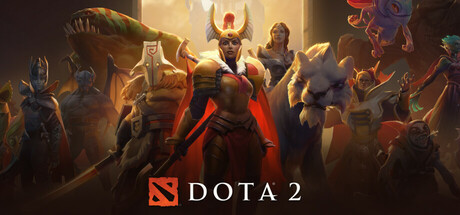
Dota 2 has been free-to-play since 2013, and more than a decade later it remains one of the most mechanically dense competitive games on PC. Valve's MOBA pits two teams of five against each other across three lanes, a jungle, and a cast of well over a hundred heroes, each with distinct abilities, item timings, and roles to master. It is not a game that reveals itself quickly, and that is both its greatest strength and its most common criticism.
What keeps players coming back, often for thousands of hours, is the sheer ceiling on how good you can get. Every hero interaction, every item choice, every warded pixel of the map matters, and the game rarely repeats itself the same way twice.
Gameplay and Depth
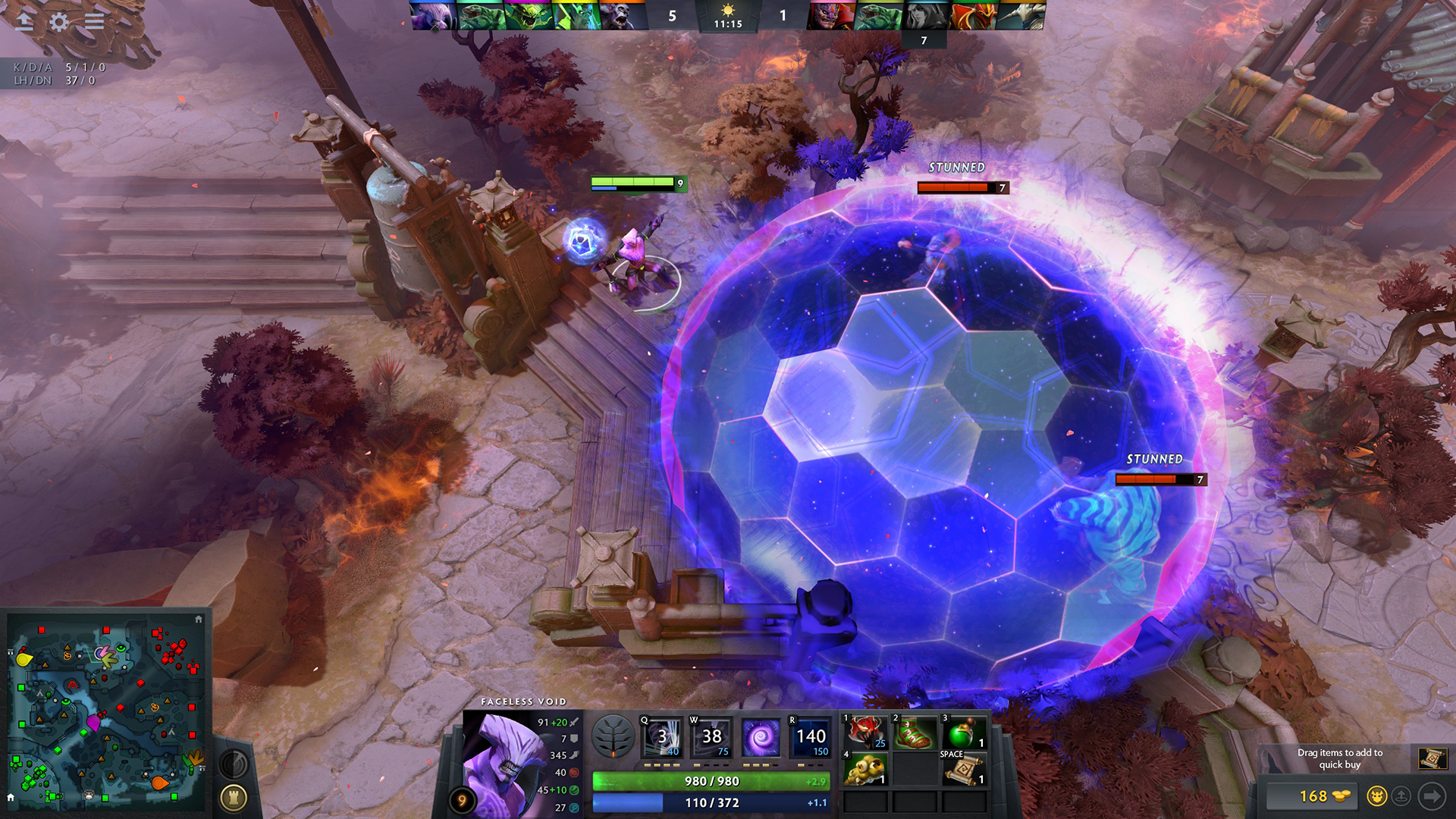
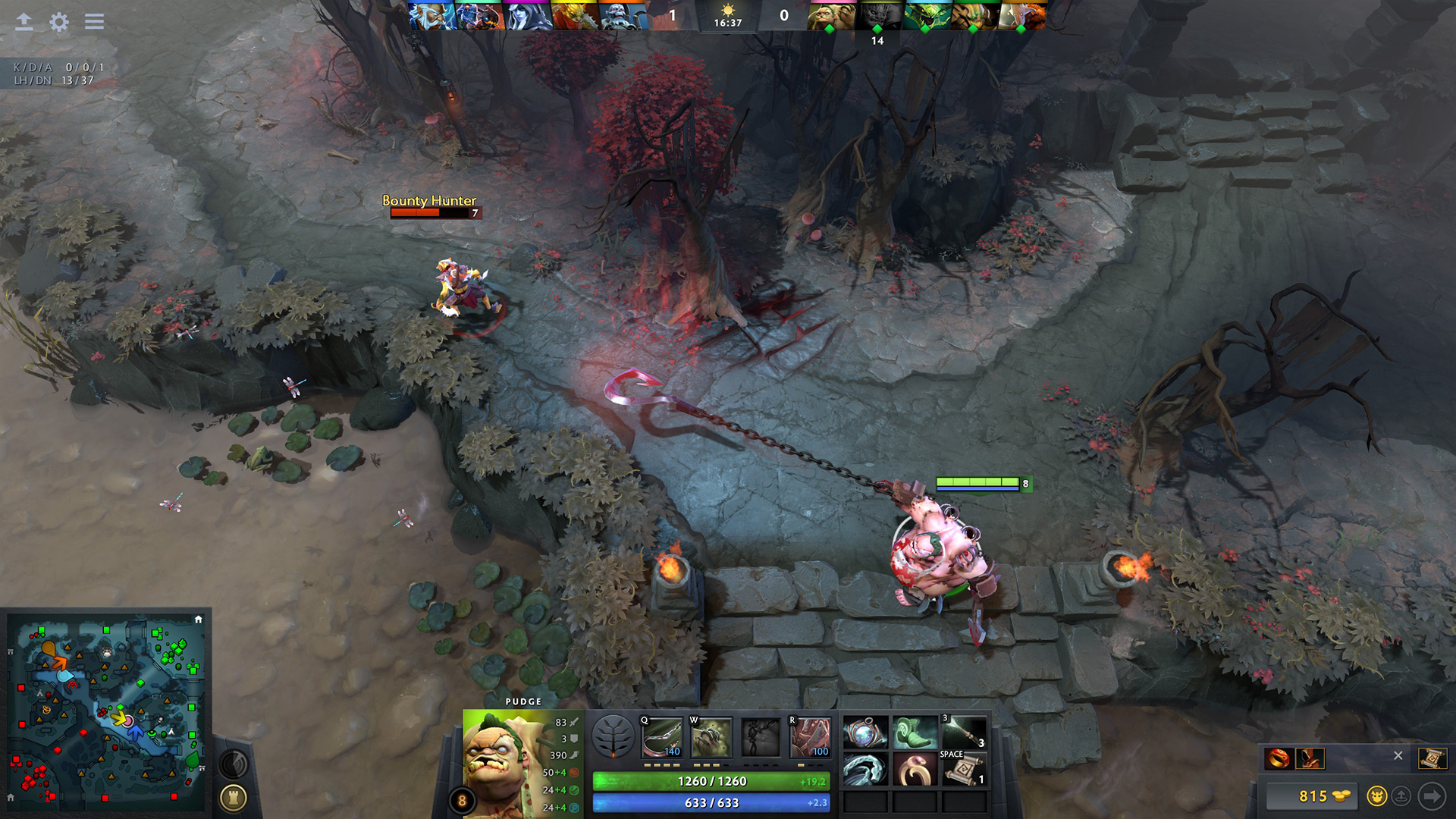
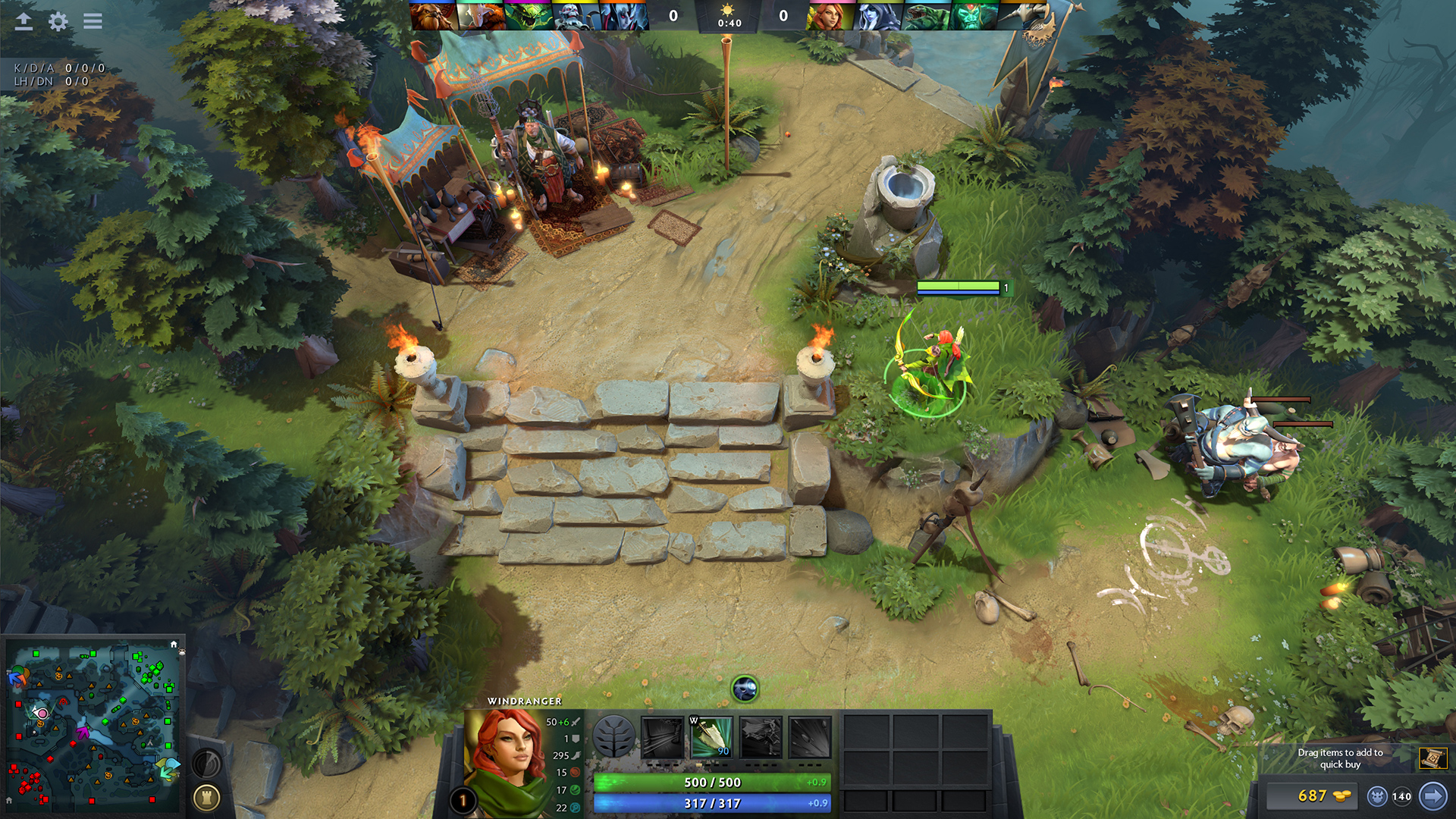
The core loop of laning, farming, and fighting for objectives is simple to describe but nearly bottomless in practice. Hero pools, talent trees, Aghanim's Scepter and Shard upgrades, neutral item drops, and a constantly shifting item shop mean that even experienced players are still learning interactions after years away from the game. That depth is exactly why so many players describe Dota as something closer to a lifestyle than a game they pick up casually; once the fundamentals click, it is genuinely hard to walk away from.
The tradeoff is accessibility. New players are dropped into a system with dense terminology, unforgiving punishments for mistakes, and teammates who have often played for a decade. Valve has added tutorials and bot matches over the years, but the gap between a fresh account and a functional teammate in real matches is still wide, and that gap is where a lot of first impressions go to die.
Matchmaking and Community
This is also where Dota 2 draws its sharpest criticism. The behavior score and reporting system is meant to filter out toxic players, but a recurring complaint is that it can be gamed just as easily by groups mass-reporting a strong performer as it can by genuinely disruptive players. Combined with long queue times at certain skill brackets and matches that can swing wildly based on one lane going badly, the social layer of Dota often feels like the actual difficulty setting, separate from the game itself. The core competitive design is still excellent, but a punishment system with little transparency or appeal process undercuts a lot of that goodwill.
Content, Monetization, and Esports
Dota 2 remains scrupulously fair on the money side: cosmetics, item sets, and Arcanas do not affect gameplay, and the entire hero roster is available to everyone from the start. That said, the pace of new hero releases has slowed considerably compared to the game's earlier years, and updates increasingly center on battle passes, treasures, and seasonal events rather than major gameplay additions. It is not predatory, but longtime players are right to notice that Valve's attention has shifted toward monetized content cadence over raw feature output.
On the flip side, Dota's esports ecosystem is still arguably the best-supported in gaming. The International remains a marquee event with enormous prize pools crowdfunded through the community itself, and the pro scene continues to shape how the game is balanced and played at every level.
Technical State
Running on Source 2, the game is generally stable and performs well across a wide range of hardware, including handhelds like Steam Deck. It is not flawless: client crashes, occasional desync issues, and party-matchmaking quirks still crop up often enough to be noticed, though nothing that fundamentally undermines the experience for most players.
Pros
- Unmatched strategic depth across more than 120 heroes and countless item builds
- Genuinely free-to-play with monetization limited to cosmetics, never power
- One of the deepest, longest-running esports scenes in gaming, headlined by The International
- Regular free balance patches keep the meta shifting without asking players to pay
- Extremely high skill ceiling that rewards years of dedicated improvement
- Active modding and custom game ecosystem built on the Source 2 engine
Cons
- Brutal learning curve that can be openly hostile to newcomers
- Community toxicity and a behavior/report system many veterans consider broken or exploitable
- New hero releases have slowed noticeably while cosmetics and battle passes get more attention
- Matches routinely run 30-60+ minutes with no easy way to bail once you're committed
- Occasional client bugs, party/matchmaking hiccups, and long queue times at certain ranks
Summary
Dota 2 is still one of the most rewarding competitive games available on PC, and its "Very Positive" standing after well over a decade is earned: the strategic depth, fair monetization, and world-class esports scene have no real equal in the genre. What holds it back from a higher score is not the game design itself but everything around it, an unforgiving onboarding experience, a community and moderation system that frustrates even veteran players, and a content cadence that increasingly favors cosmetics over new mechanical additions. If you're willing to push through the early hours and accept that the community can be its own worst enemy, Dota 2 offers a depth of play that very few games can match.
Editorial Team
The GameOfReview editorial team writes and curates reviews collaboratively, informed by hands-on testing and community feedback.