
by Editorial Team · 2026-09-20
Elden Ring is FromSoftware's most ambitious project to date, taking the punishing, methodical combat that made Dark Souls and Bloodborne cult classics and setting it loose in a vast, unguided open world. Co-written with fantasy author George R. R. Martin, the Lands Between is a place of crumbling grandeur and eldritch horror, and stepping off the beaten path here still produces some of the most memorable "what is that in the distance?" moments in modern gaming. It is a game that asks a lot of its players in time, patience, and tolerance for failure, and for the vast majority who stick with it, it pays that investment back many times over.
Three and a half years after launch, and with the Shadow of the Erdtree expansion now folded into most people's expectations of the full package, Elden Ring's reputation as a genre-defining achievement is well earned, even if it is not without real, frequently discussed shortcomings.
Combat and Character Building
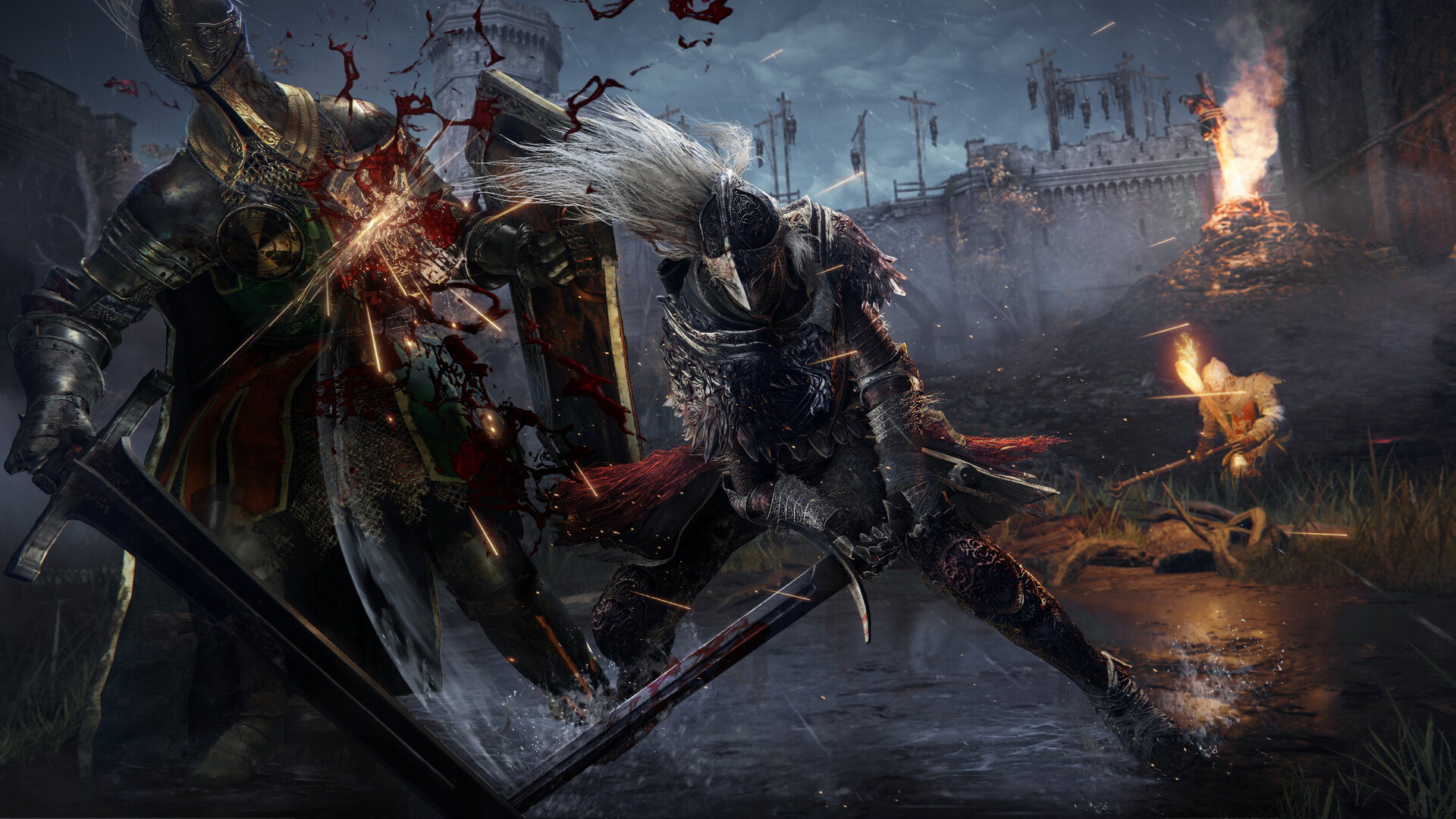
At its core, this is still a Souls game: stamina management, careful spacing, and the slow process of learning an enemy's rhythm until victory feels less like luck and more like mastery. What's new is the sheer breadth of tools available to get there. Ashes of War let players reshape almost any weapon's moveset and elemental affinity, incantations and sorceries open up entirely different playstyles, and Spirit Ashes summon allies to soak aggro or turn the tide of an otherwise brutal one-on-one encounter. The result is a game that is notably more accommodating to newcomers than its predecessors without ever feeling like it has been dumbed down. A player who finds a boss impossible has real options beyond simply grinding: respeccing a build, switching weapons entirely, or coming back later with a summon in tow. The main story bosses remain the highlight of the entire experience, frequently spectacular in scale and choreography.
Where the Formula Strains
The tradeoff for that open-ended freedom is pacing. Where earlier FromSoftware games interlocked their levels with obsessive precision, Elden Ring's overworld necessarily has more empty space between its best moments, and the density of side content means diligent explorers routinely end up significantly overleveled for the main path. The legacy dungeons, the game's answer to classic Souls-style levels, are a mixed bag; a few rank among the studio's best work, but others feel comparatively straightforward next to the labyrinthine layouts longtime fans expect.
World, Art, and Sound
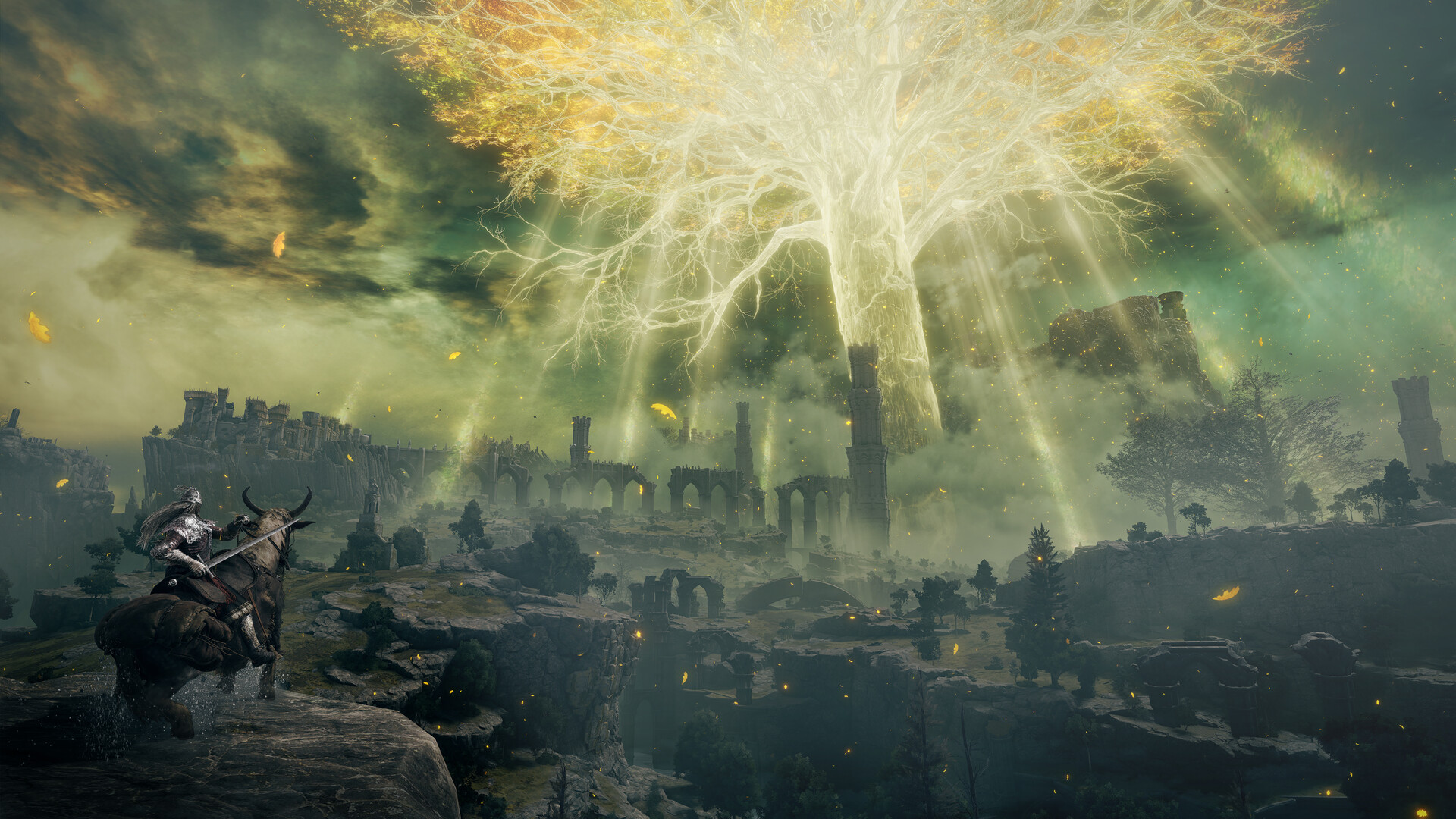
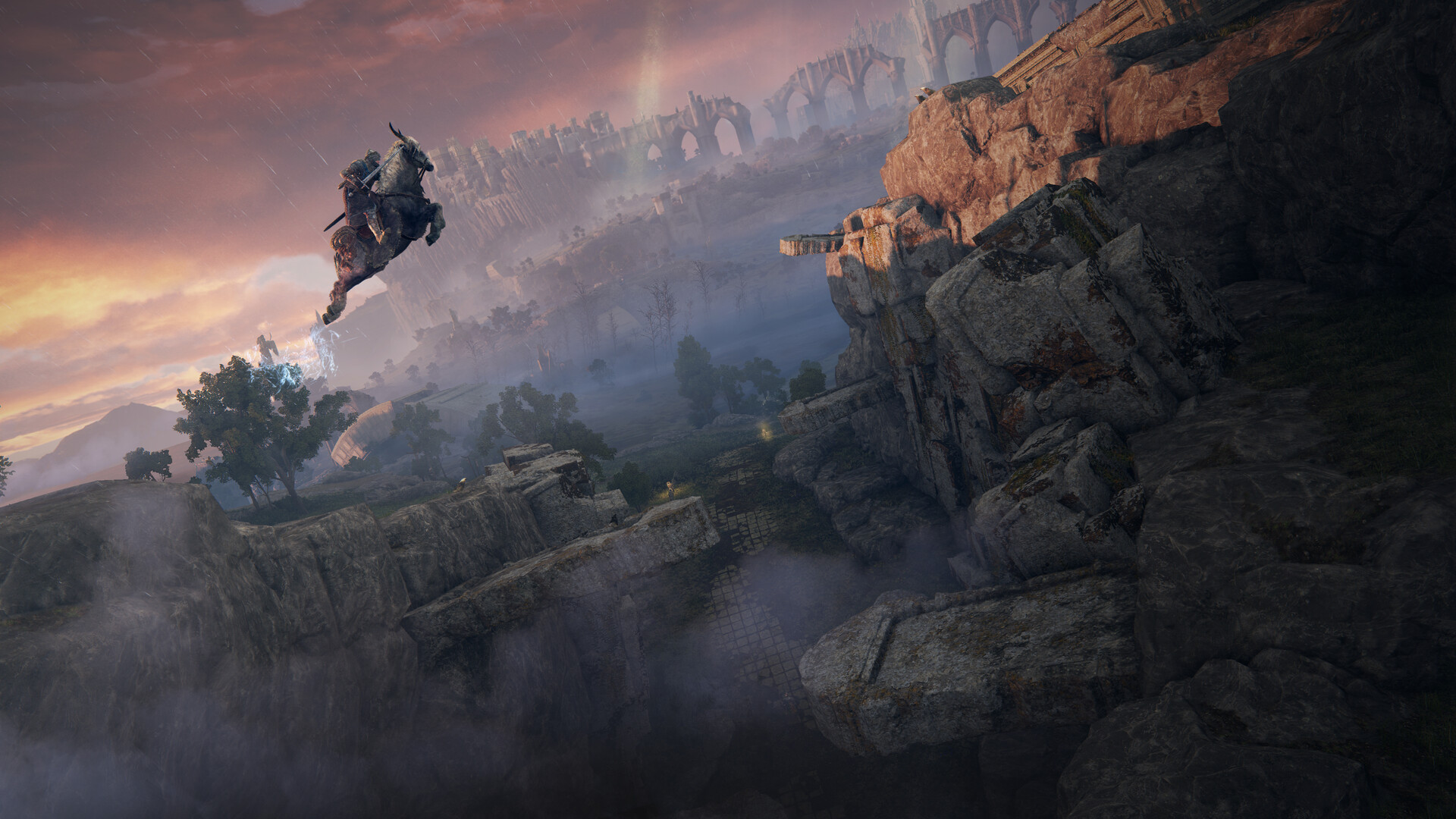
Visually, the Lands Between is a triumph of art direction over raw technical fidelity. Golden trees, sunken ruins, and skies thick with falling embers create a sense of scale and melancholy that few open worlds manage, and the game is at its best when it lets players stumble into a hidden cave, a buried city, or a superboss they were never meant to find yet. The orchestral score swells at exactly the right moments during boss encounters, even if some listeners will still rank the more intimate, atmospheric soundtracks of Bloodborne or Dark Souls above it.
Content Density and Repetition
The scale that makes Elden Ring impressive is also its biggest liability. A meaningful share of enemy placements, minor dungeons, and even mid-tier bosses are reused throughout the map, and by the later regions the pattern becomes hard to ignore. It doesn't undercut the handcrafted highlights, but it does mean the game's 60-plus hour runtime is padded with content that feels more like filler than discovery, and item rewards in smaller dungeons can feel underwhelming relative to the effort of finding them.
Pros
- Exceptional main story boss fights that demand pattern-learning and reward persistence
- A genuinely mysterious, atmospheric open world that rewards curiosity and off-path exploration
- Deep character building with huge weapon, spell, and armor variety enabling many viable builds
- Spirit Ashes and flexible leveling make the notoriously tough FromSoftware formula more approachable
- Stunning art direction and a strong orchestral score that sell the scale of the Lands Between
- The trial-and-error death loop feels fair and satisfying rather than punishing for its own sake
Cons
- Open-world pacing dilutes the tight, purposeful level design the series built its reputation on
- Heavy reuse of enemies, bosses, and dungeon layouts becomes noticeable in the back half
- Exploration naturally overlevels players well before the story expects them to be that strong
- Legacy dungeons are inconsistent, with only a few matching the series' best crafted levels
- World is padded with filler items and lookalike minor catacombs that add little beyond checklist bulk
Summary
Elden Ring is not a flawless open world, and it is not, structurally, the tightest FromSoftware has ever built. But it channels that studio's punishing, expressive combat and hauntingly beautiful worldbuilding into the biggest canvas it has ever attempted, and the highs, its finest bosses, its best-kept secrets, its most jaw-dropping vistas, are as good as anything the genre has produced. For players willing to embrace the difficulty and the occasional dead space between them, it remains an essential, generation-defining game.
Editorial Team
The GameOfReview editorial team writes and curates reviews collaboratively, informed by hands-on testing and community feedback.