by Editorial Team · 2026-09-20
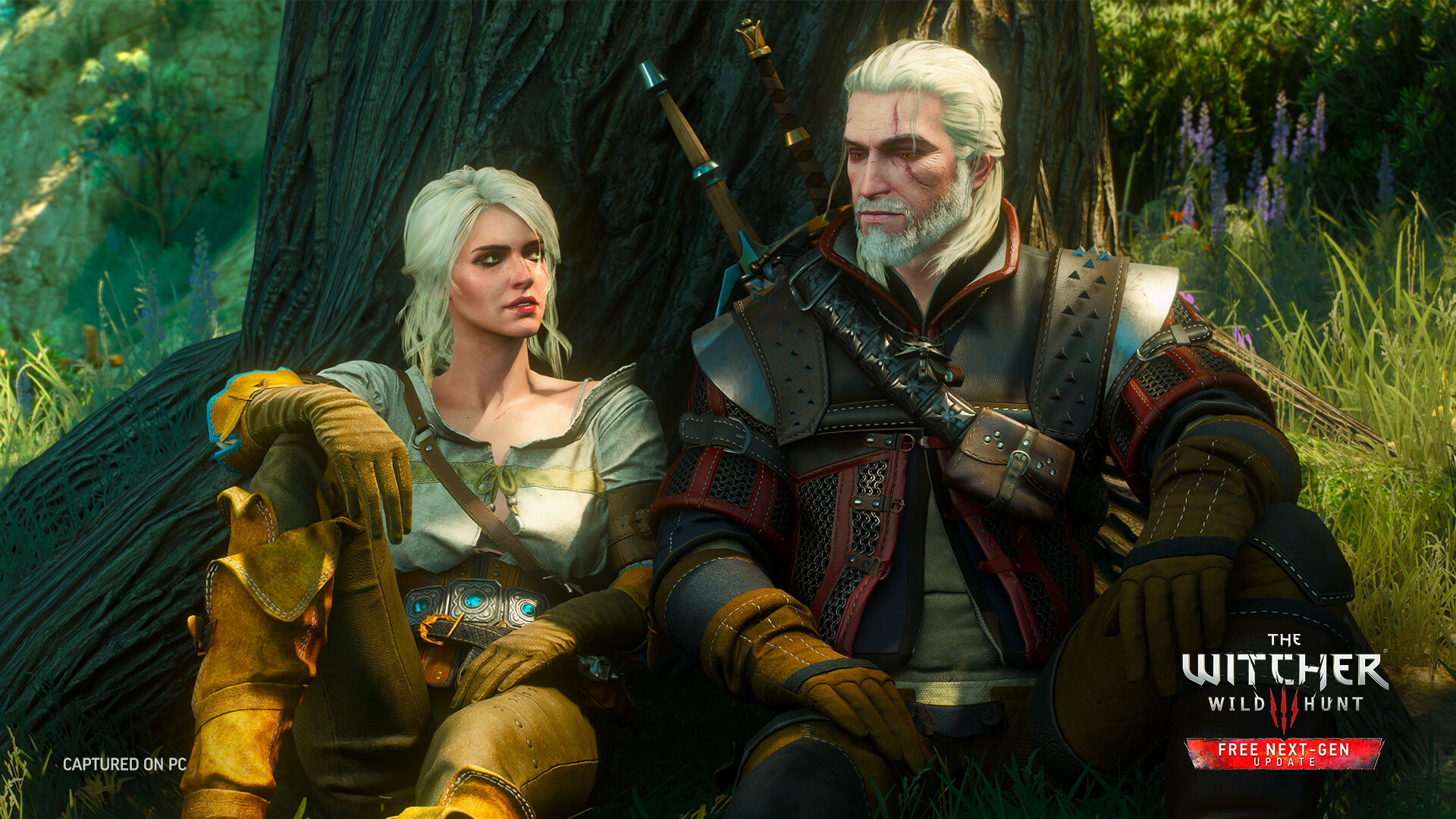
The Witcher 3: Wild Hunt - Complete Edition bundles CD Projekt Red's genre-defining open-world RPG with its two major expansions, Hearts of Stone and Blood and Wine, along with a free next-generation visual upgrade released years after launch. Players take on the role of Geralt of Rivia, a monster hunter for hire searching for his adopted daughter Ciri while the supernatural Wild Hunt closes in around her. More than a decade on, it remains one of the most complete and consistently praised RPGs ever made, and the Complete Edition is the definitive way to experience it.
What separates The Witcher 3 from most open-world games is density of craft rather than sheer size. Nearly every quest, no matter how small, is built around a specific human problem, a moral wrinkle, or a piece of folklore, rather than a marker on a map to be cleared.
A World Worth Losing Yourself In
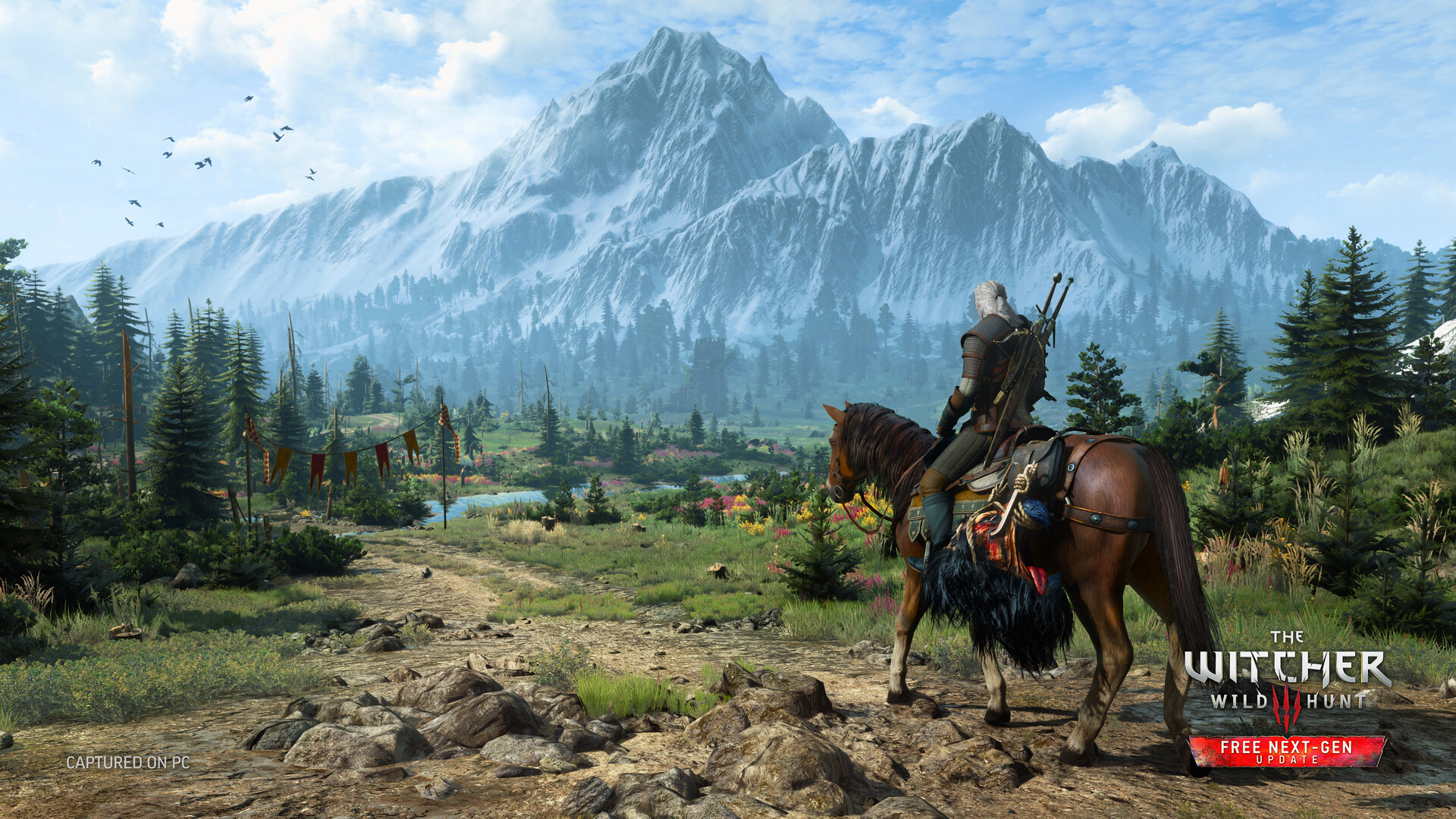
Velen, Novigrad, Skellige, and Toussaint are each distinct in tone and geography, and the writing team's commitment to giving even throwaway characters a point of view pays off constantly. Side quests routinely rival the main story in quality, turning into short stories about grief, superstition, or petty village politics that still tie back into the larger themes of war and survival. Choices rarely resolve into simple good or bad outcomes; they tend to trade one form of harm for another, and the game is comfortable letting players live with ambiguity rather than rewarding a "correct" path.
Expansions That Raise the Bar
Hearts of Stone delivers one of the best-written single quest chains in the series' history, while Blood and Wine functions almost as a full sequel, introducing the sun-drenched duchy of Toussaint and closing out Geralt's arc with a satisfying, often moving finale. Both expansions are widely considered essential rather than optional add-ons.
Combat, Crafting, and Builds
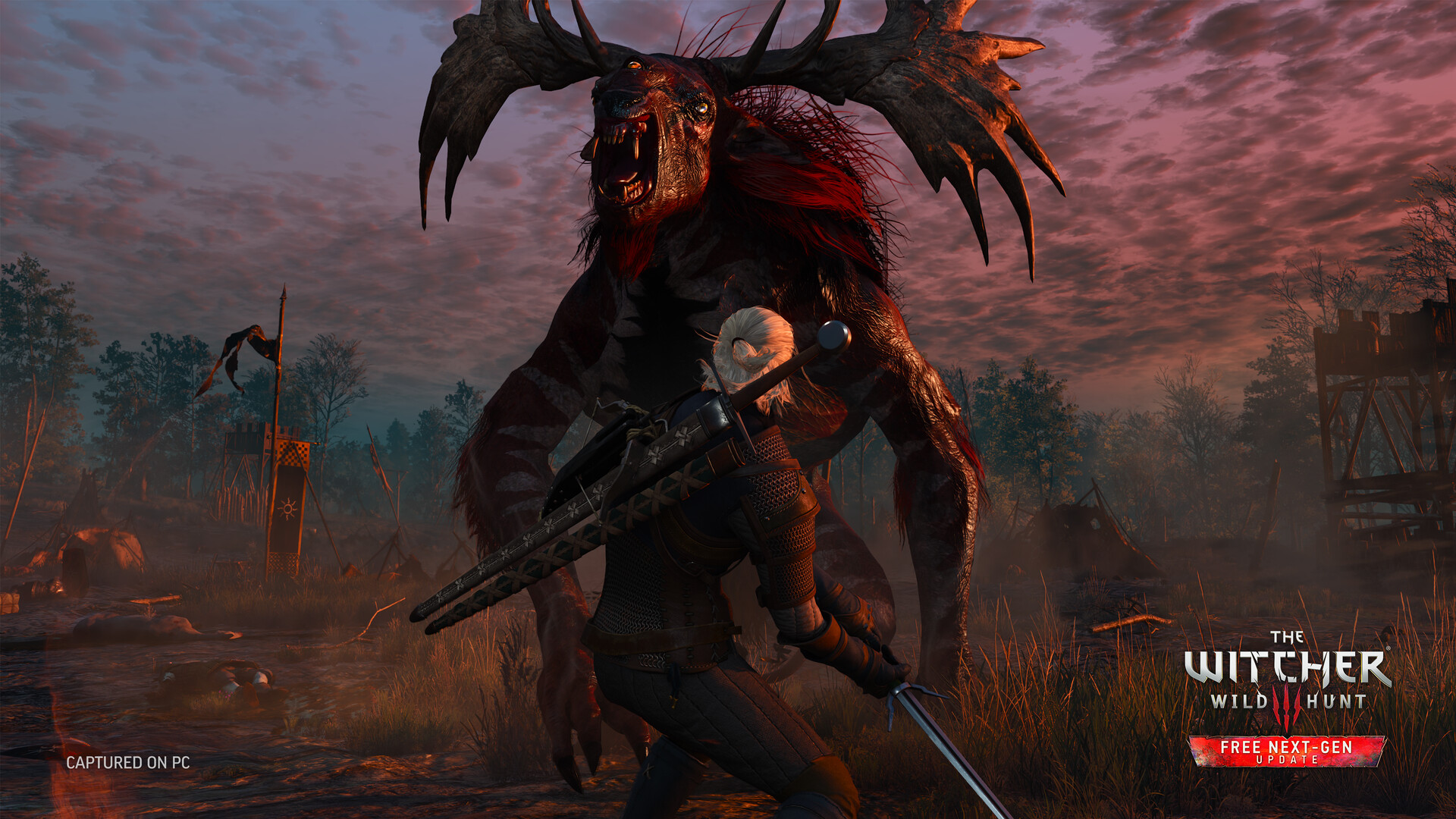
Combat blends swordplay, Signs (magic abilities), alchemy, and traps into a system that rewards preparation over reflexes alone. It is not the sharpest action combat on the market, and some players will find the base game's swings and dodges a little floaty compared to dedicated action RPGs, but the layered skill trees and gear crafting give it enough depth that multiple builds, from alchemy-heavy potion use to aggressive sign-casting, feel genuinely distinct. Gwent, the in-world card game, is polished enough that it has spun off into its own standalone title, and collecting cards from unique NPCs becomes its own compelling side activity.
Art, Sound, and Atmosphere
Marcin Przybyłowicz's score is one of the strongest in the genre, mixing folk instrumentation with orchestral swells that make traveling between locations feel purposeful rather than filler. Environmental design leans into a grounded, weathered fantasy aesthetic, and the free next-gen upgrade sharpens lighting, foliage, and character models enough to make the decade-old base game hold up against much newer releases.
Technical State
Years of patches and the next-gen update have ironed out most of the game's rougher edges, though minor issues, occasional NPC pathing quirks, small bugs, and clunky inventory management, still surface. None of it undermines the experience, but it is a reminder this is a game built up over a long support cycle rather than a flawless launch.
Pros
- Sprawling, reactive open world where even minor side quests feel handcrafted and memorable
- Branching story and choices with consequences that ripple for hours or entire playthroughs
- Deep character builds via skills, alchemy, and gear, supporting many viable playstyles
- Gwent is robust enough to function as its own standalone card game
- Blood and Wine and Hearts of Stone expansions rival or exceed the base game's best content
- Free next-gen update adds meaningful visual and technical improvements a decade after launch
Cons
- Base combat can feel stiff and less refined than the game's writing and world design
- Early hours are a slow, mechanically dense ramp-up that puts some players off before it clicks
- Inventory and menu management remain clunky compared to modern RPGs
- Occasional bugs, pathing issues, and minor technical rough edges persist even after years of patches
Summary
The Witcher 3: Wild Hunt - Complete Edition earns its reputation as one of the best RPGs ever made. Its combat is merely good rather than great, and its opening hours ask for patience, but the sheer consistency of its writing, the density of meaningful content, and the value of two outstanding expansions bundled in make it an easy recommendation for RPG fans and newcomers alike. A decade later, with a free visual overhaul on top, it is still essential.
Editorial Team
The GameOfReview editorial team writes and curates reviews collaboratively, informed by hands-on testing and community feedback.