by Editorial Team · 2026-09-20
Few games have travelled as far from their launch reputation as Cyberpunk 2077. What arrived in 2020 as a buggy, overpromised mess has, through years of patches, the sweeping 2.0 update, and the Phantom Liberty expansion, become one of the most fully realized open-world RPGs on the market. This review looks at where the game stands today, not at the launch-week headlines.
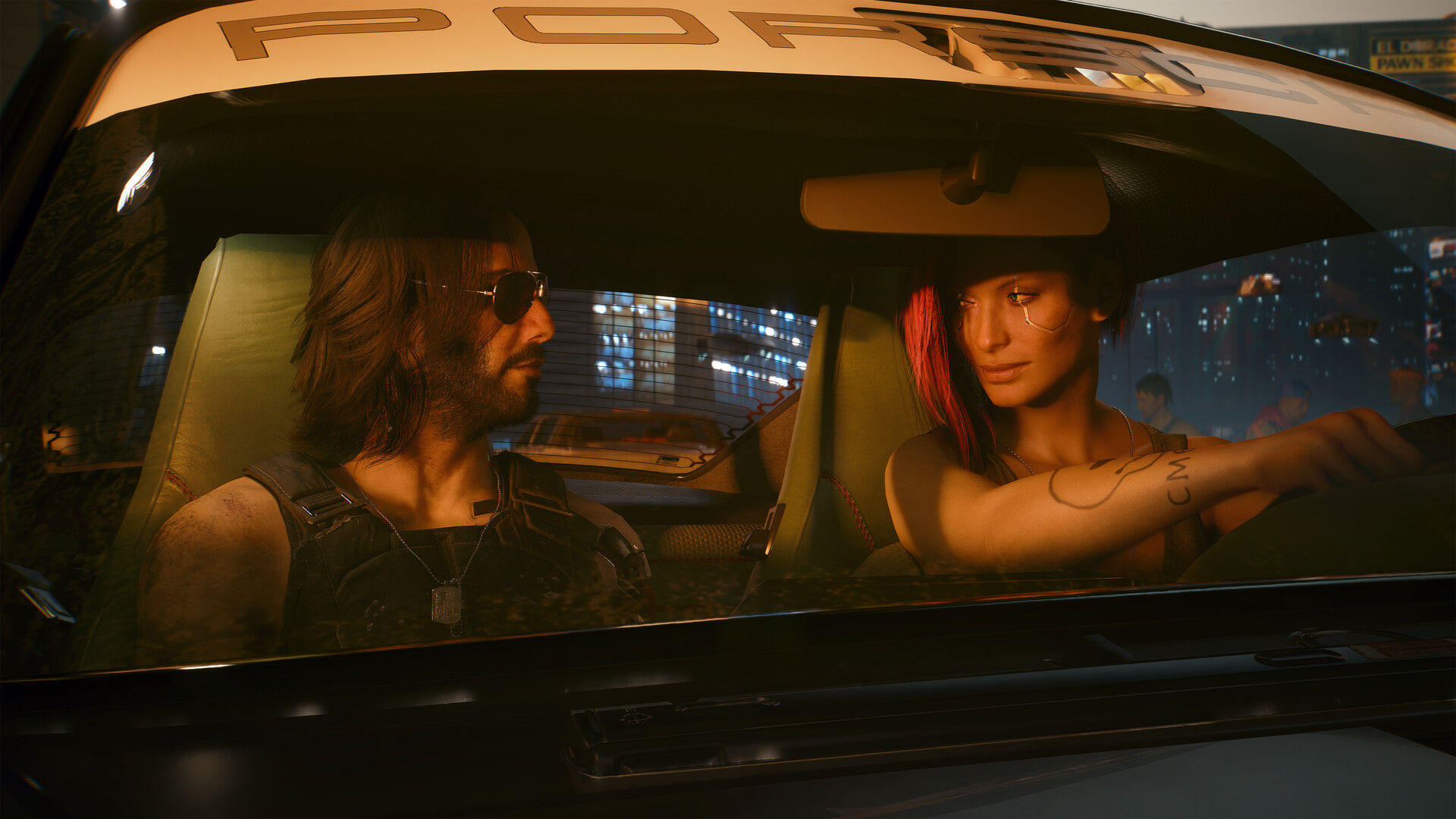
Set in the sprawling, neon-soaked metropolis of Night City, Cyberpunk 2077 casts players as V, a mercenary chasing a job gone wrong that leaves an engram of the legendary rockerboy Johnny Silverhand embedded in their mind. What follows is a story about identity, mortality, and the cost of chasing power in a city that chews people up. It remains a strong hook, and CD Projekt Red's writing talent shows throughout.
Story and Narrative
The central narrative, and especially the character-driven side quests, is where Cyberpunk 2077 consistently shines. Companions and fixers are written with real depth, voice acting is a standout across the board, and the choices players make ripple outward in ways that feel meaningful rather than cosmetic. The Phantom Liberty expansion raises the bar further, delivering a tighter, more emotionally charged espionage story in the Dogtown district that many players now consider the best content CD Projekt Red has produced for this game. The multiple endings, including the fan-favorite "King of Cups" resolution added post-launch, give the campaign real weight on a second or third playthrough.
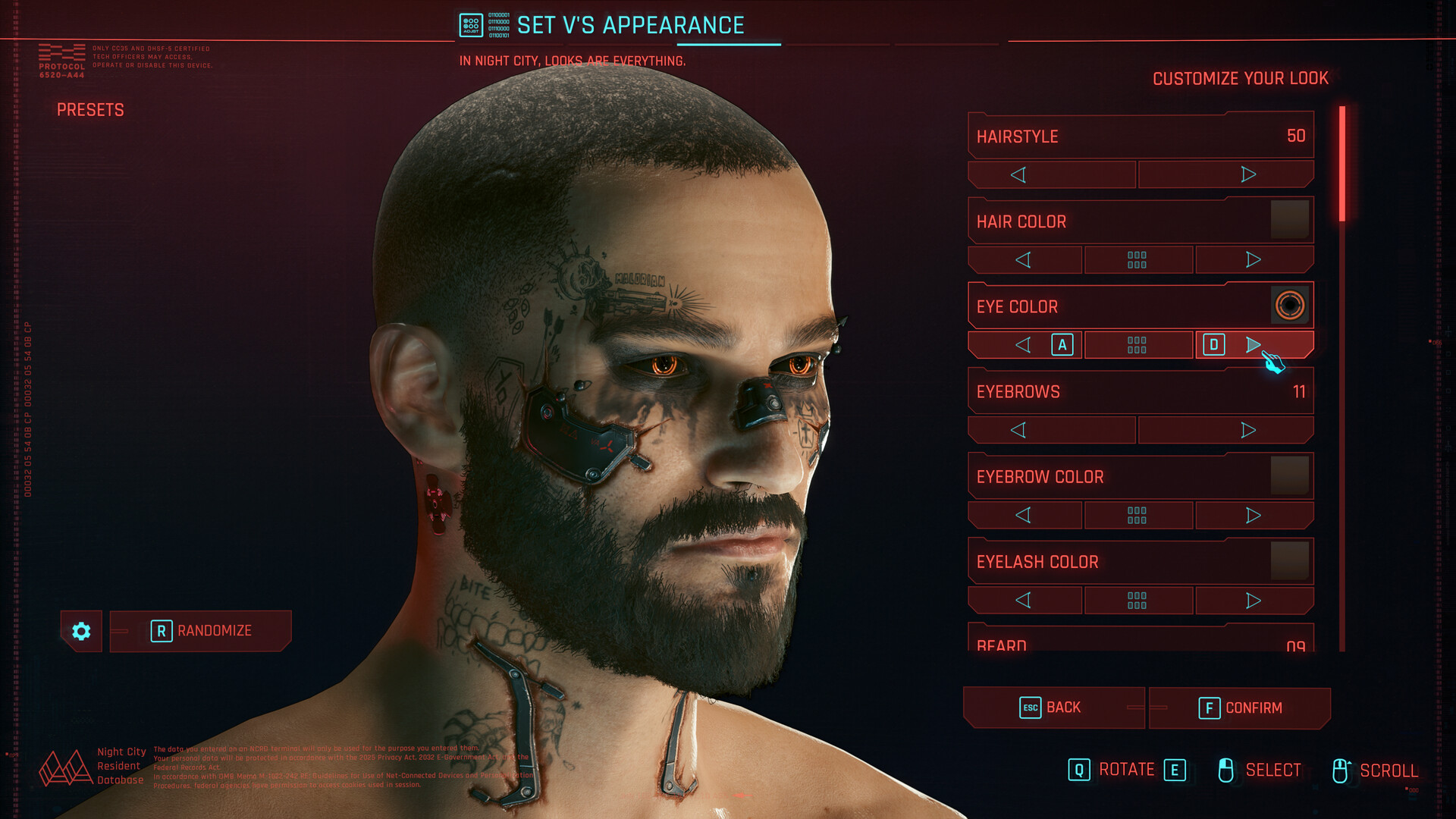
Where the game is on shakier ground is V as a character. Dialogue choices shape tone more than substance, and without a third-person camera option, some players find it harder to project themselves fully into the roleplaying fantasy compared to genre peers. It is a small but real friction point for an RPG this ambitious.
Gameplay and Combat
Combat blends gunplay, hacking, and melee into flexible, cyberware-augmented builds, and the 2.0 update's reworked skill trees make specialization feel genuinely distinct, whether you're a stealthy netrunner or a katana-wielding brawler. Traversal has also improved, with double jumps, charge jumps, and Mirror's Edge-style movement options opening up more vertical approaches to the city. That said, the underlying combat loop leans on familiar shooter conventions rather than reinventing anything, and some enemy encounters can start to feel repetitive in the back half of a long playthrough. Side activities and gig work are plentiful and varied early on, though a subset of players will find them thinning out in novelty once builds are maxed and the map's icons are cleared.
Art, Sound, and Technical State
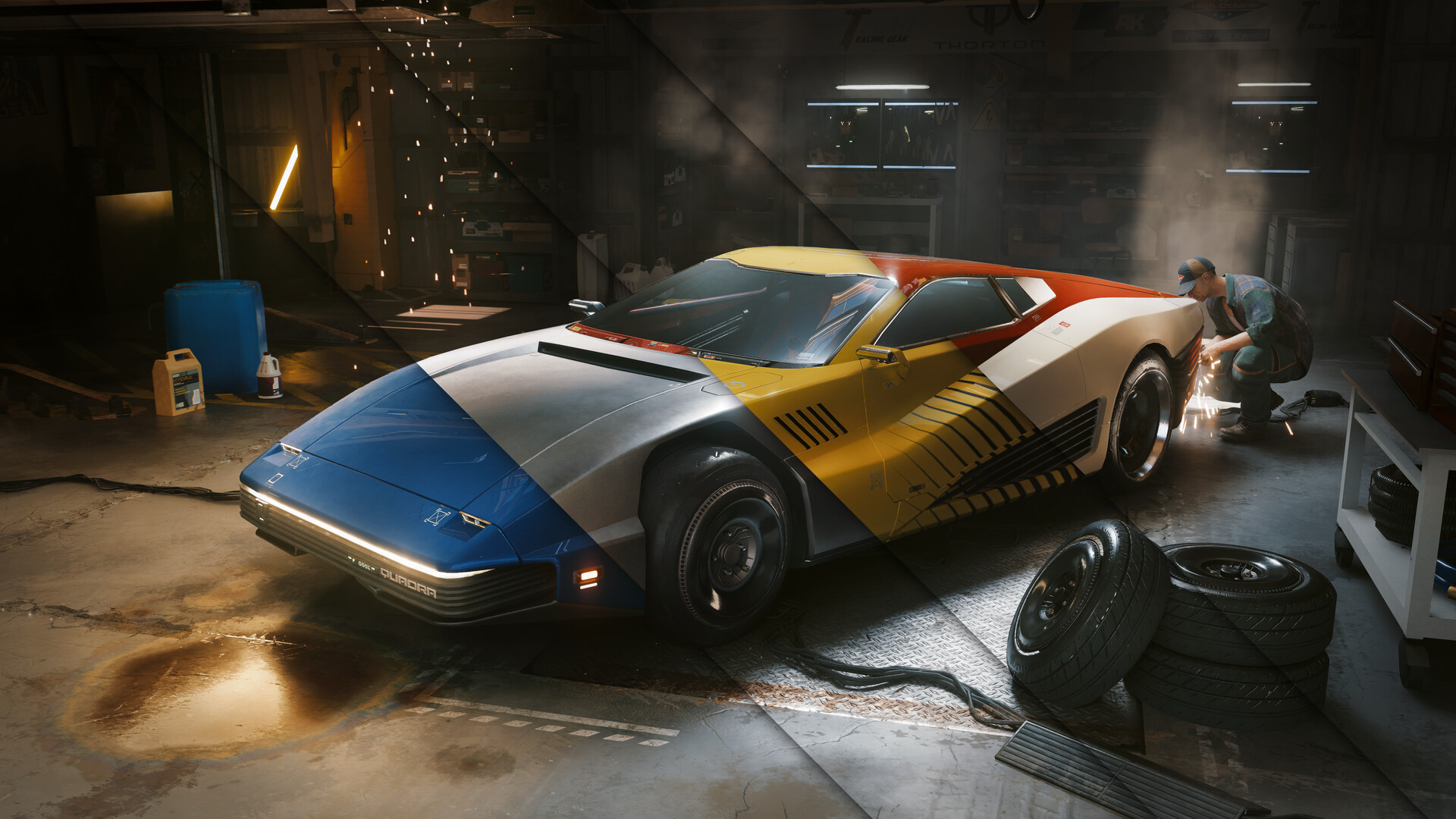
Visually, Night City remains a showcase environment: dense vertical architecture, striking neon lighting, and a soundtrack and score that perfectly match the setting's mood. Ray tracing and path tracing modes push current hardware hard, so players on older systems will need to manage expectations and settings accordingly. On the technical front, the picture is much improved but not spotless. Most players report a smooth, largely bug-free experience post-2.0, a dramatic turnaround from launch. A minority, however, still run into persistent issues, most notably audio crackling or popping on certain hardware configurations, which can be a genuine dealbreaker for those affected. It's worth checking community threads for your specific setup before diving in if you're on the fence.
Pros
- Night City is one of the most densely detailed, atmospheric open worlds in gaming
- Writing, voice acting, and character-driven side quests are consistently excellent
- Phantom Liberty expansion and the 2.0 overhaul deliver a genuinely improved endgame
- Flexible skill trees and cyberware let almost any build feel powerful and distinct
- Soundtrack, art direction, and general visual presentation remain outstanding
- Active modding community keeps extending the game's life well past launch
Cons
- V's characterization can feel thin, and the lack of a third-person mode undercuts roleplay
- Some persistent technical issues (notably audio crackling/stutter) still affect certain rigs
- Combat, while fun, leans on familiar shooter/RPG tropes rather than truly fresh mechanics
- High-end visuals and ray tracing remain demanding, so older hardware won't see it at its best
- A handful of side activities grow repetitive once the main power curve flattens out
Summary
Cyberpunk 2077 today is fundamentally a different game from the one that launched in 2020, and it deserves to be judged on that basis. The story, world, and character writing were always its strongest assets, and years of technical work plus the excellent Phantom Liberty expansion have finally given the gameplay and stability to match that ambition. It isn't flawless: a few players will still hit technical snags, and the combat systems, while enjoyable, aren't the genre's most innovative. But as a complete package, Night City is now one of the richest, most rewarding open worlds available, and this is the best time yet to experience it.
Editorial Team
The GameOfReview editorial team writes and curates reviews collaboratively, informed by hands-on testing and community feedback.