by Editorial Team · 2026-09-20
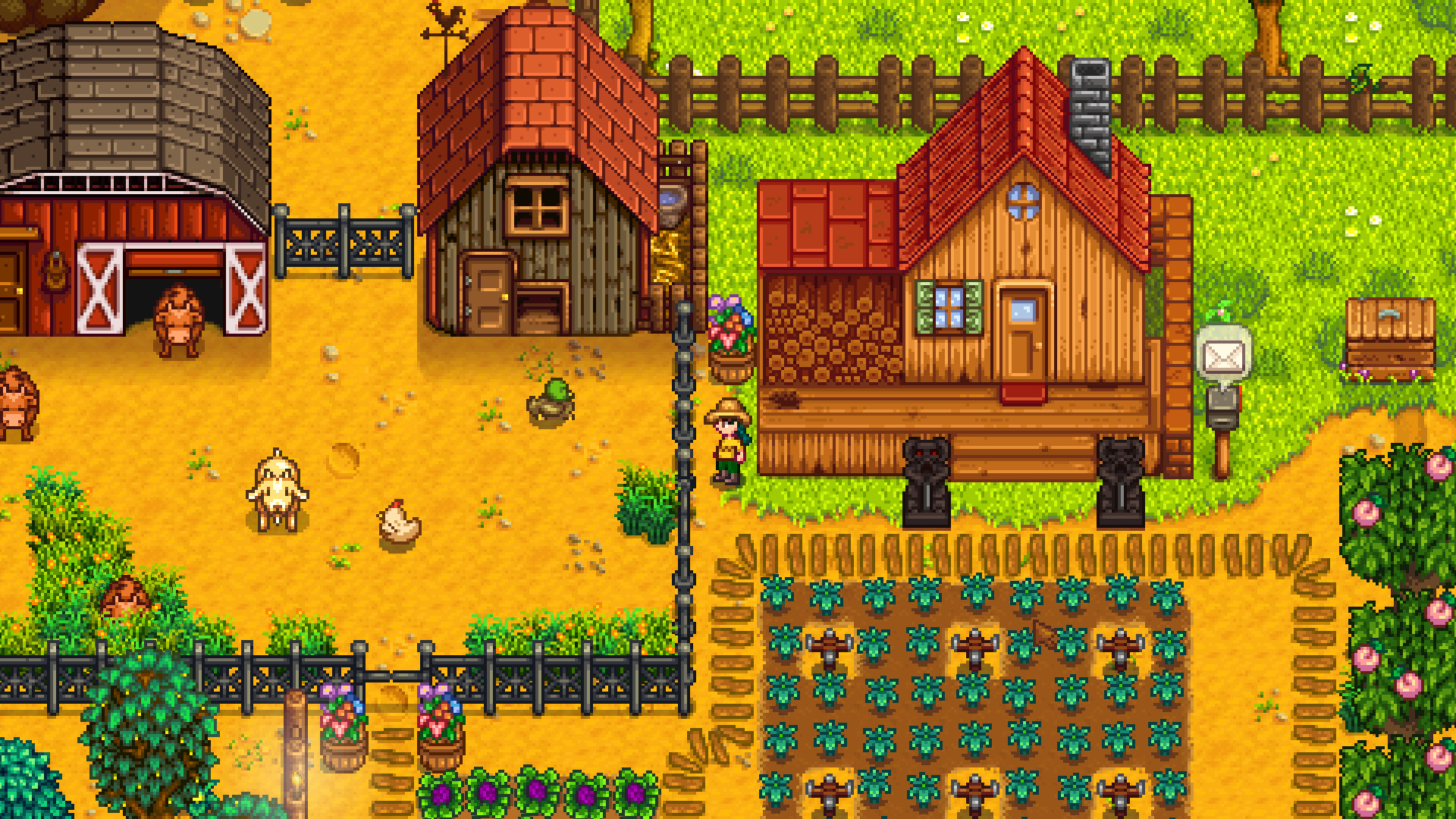
Stardew Valley is the game that proved a single developer could reinvent an entire genre. Eric "ConcernedApe" Barone built a love letter to Harvest Moon-style farming sims and, in the process, created something that now defines "cozy gaming" for millions of players. You inherit a rundown farm from your grandfather, move to Pelican Town, and are handed almost total freedom to decide what your new life looks like, whether that means becoming a master farmer, a monster-slaying miner, a fisherman, or simply the town's most beloved neighbor.
Years after release, and still receiving free content updates, Stardew Valley remains remarkably fresh. It doesn't chase trends so much as quietly set them, and the game's continued support gives it a living, evolving quality that few titles this old can claim.
Gameplay and Systems
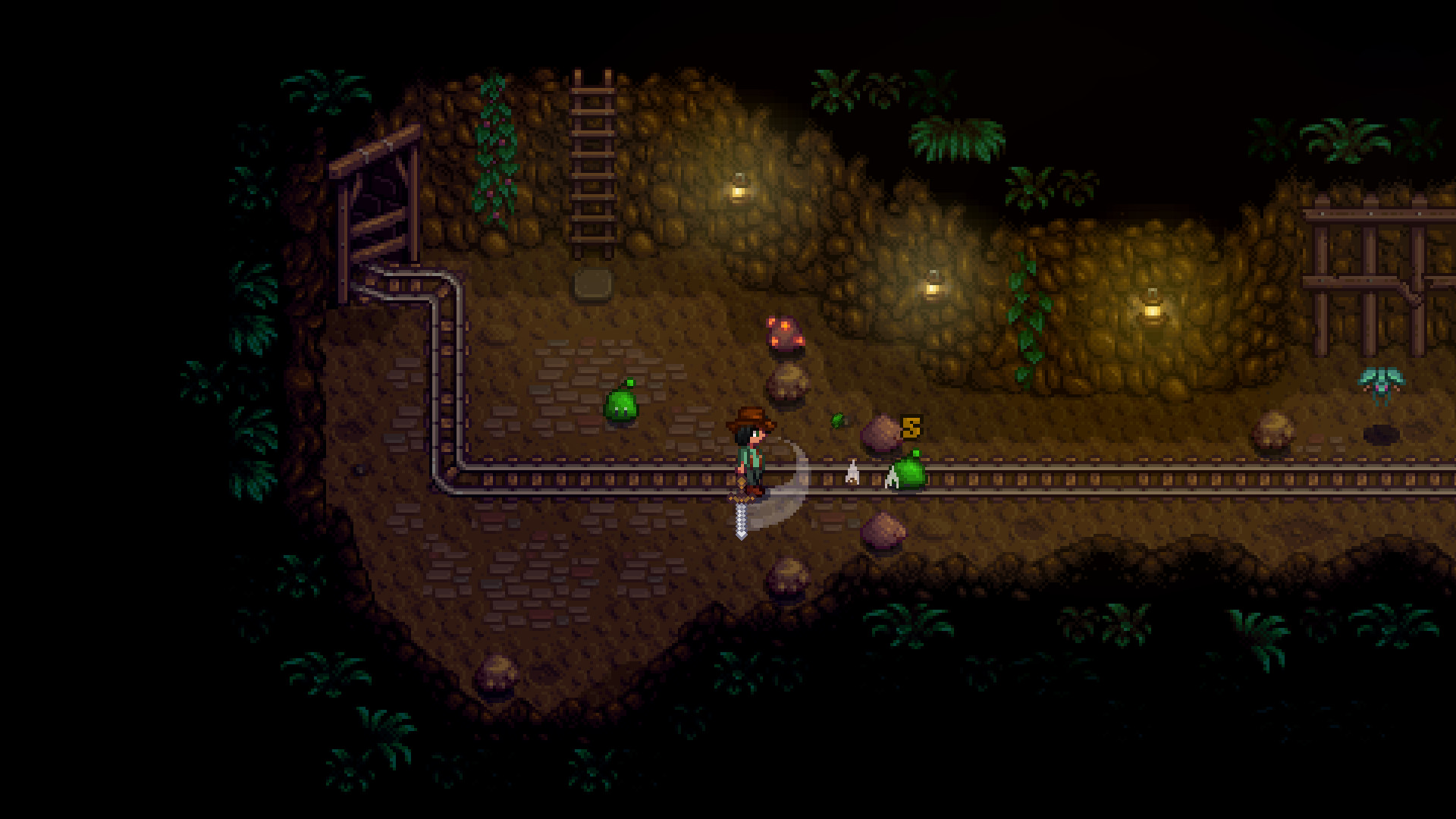
The core loop of planting, watering, and harvesting is deceptively simple, but it opens into a surprisingly deep web of interconnected systems. Mining dungeons feed you ore for tool upgrades, fishing unlocks new recipes and gifts, foraging fuels crafting, and every villager has their own schedule, preferences, and multi-year friendship arc to uncover. Combat is intentionally lightweight rather than a focal point, which suits the game's relaxed identity even if it means dungeon crawling never becomes especially challenging on its own.
Where the game truly shines is in how much it lets you set your own goals. Some players min-max profit routes and community center bundles; others spend fifty hours just decorating a farm and chatting with townsfolk. Both approaches are equally valid, and that flexibility is a huge part of why so many players return to their save file after months away without losing their place.
Multiplayer
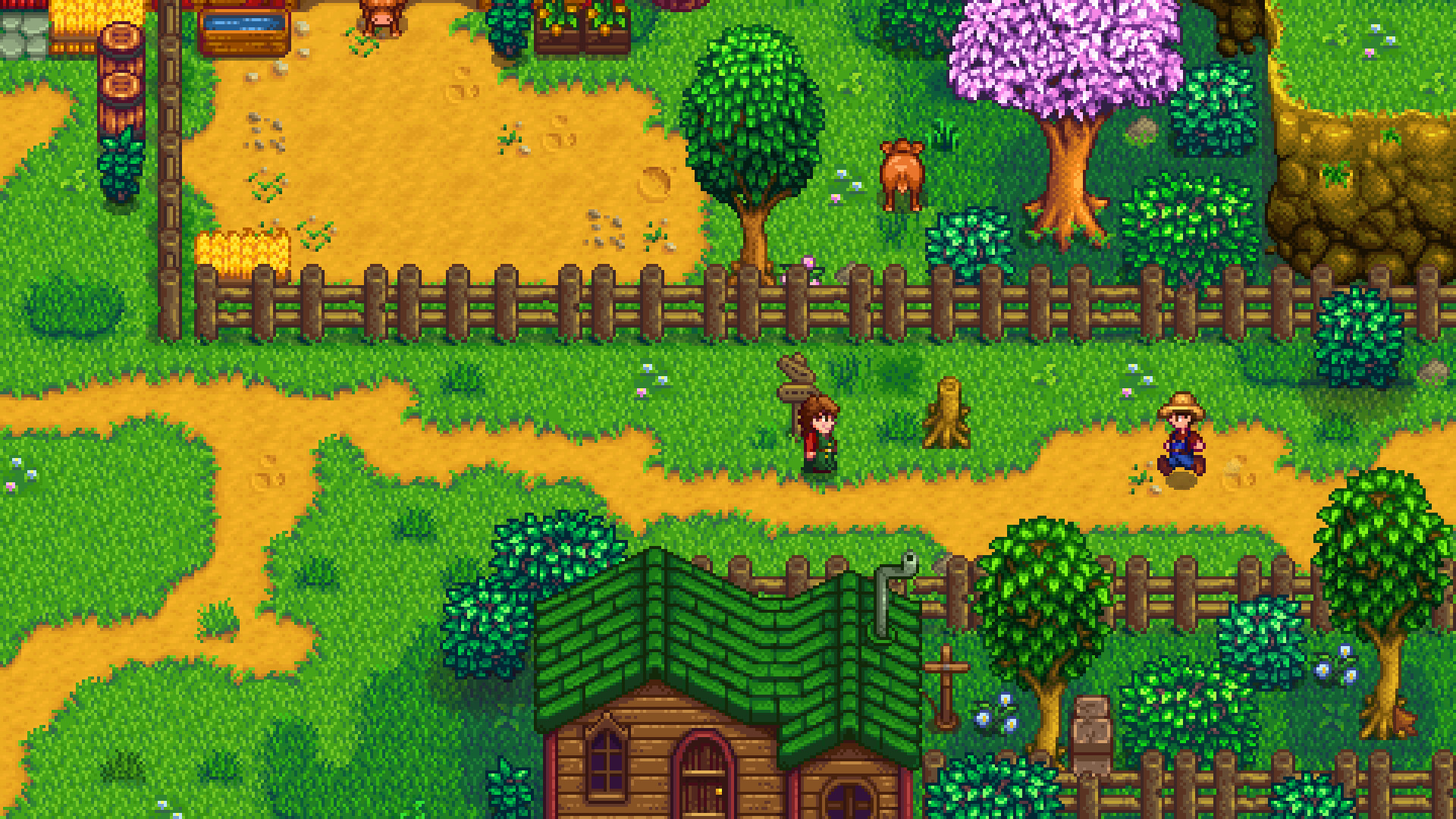
Splitting tasks with a partner or a small group of friends, one person tending crops while another explores the mines, turns the game into something closer to a shared ritual than a solo timesink. It's not flawless: larger farms and busy multiplayer sessions can introduce occasional lag or desync hiccups, but the core experience of building a farm together remains one of the game's most beloved features.
Art, Sound, and Atmosphere
The pixel art style could easily have felt dated by now, but its warmth and clarity have aged extremely well, and the seasonal shifts in Pelican Town's look give the world a genuine sense of passing time. The soundtrack deserves special mention: it's melodic, varied, and unobtrusive enough to loop for dozens of hours without wearing thin, which matters enormously in a game built around long, repeatable play sessions.
Replayability and Longevity
Few games in this genre offer as much reason to start over or keep going as Stardew Valley does. Different farm maps change the entire strategic approach, hidden secrets and easter eggs reward curiosity over guide-reading, and the sheer number of relationships, achievements, and late-game goals means most players are still finding new things well past the 100-hour mark. The game rewards patience and discovery; leaning on a wiki for every answer tends to strip away some of that magic, so the best experience often comes from letting mysteries unfold naturally.
Pros
- Enormous amount of content across farming, mining, fishing, combat, and relationships
- Relaxing, low-pressure pacing that respects the player's time
- Charming pixel art and an outstanding, memorable soundtrack
- Deep replayability thanks to farm layouts, playstyles, and hidden secrets
- Strong multiplayer that turns chores into genuinely fun co-op sessions
- Years of free, substantial updates from a single dedicated developer
Cons
- The opening weeks can feel like a repetitive grind before systems open up
- Inventory and menu management gets fiddly once you're juggling dozens of items
- Story and lore are delivered in small, easy-to-miss fragments rather than a driving narrative
- Occasional multiplayer desync or lag issues, especially on larger farms
Summary
Stardew Valley earns its reputation as a modern classic. It's a game that welcomes players in on their own terms, whether they want a relaxing escape after a hard day or a deep, systems-driven challenge to master over hundreds of hours. The rough edges, a slow start, some menu clutter, a light touch on narrative, are minor next to everything the game gets right. For newcomers to farming sims and veterans of the genre alike, this remains one of the essential games of its era, and one worth returning to again and again.
Editorial Team
The GameOfReview editorial team writes and curates reviews collaboratively, informed by hands-on testing and community feedback.